

Royal Assent of the Renters’ Rights Act on 27th October 2025 represented the most significant overhaul of the private rented sector in decades.
Implementation timescales were published on the 13th November 2025, including confirmation that the new tenancy regime would commence on 1st May 2026.
PRELIMINARY STAGE implementation of the Act began on 27th December 2025, with new investigatory powers in place for local housing authorities.
These new powers allow authorities to request information, seize documents and enter business premises under certain circumstances when investigating whether a private landlord or letting agent has broken certain laws.
PHASE 1 will come into force on 1st May 2026
Focuses solely on tenancy reform. What does that tenancy reform look like?
How tenancies are changing on 1st May 2026:
- On 1st May 2026 all tenancies will automatically become APTs (Assured Periodic Tenancies)
- Existing fixed terms will become periodic
- Fixed terms and minimum tenancy periods will be banned
- No more tenancy ‘renewals’
- The AST and APT will be considered as one continuing tenancy (no need for new written tenancy agreement but a written ‘Statement of Terms’ provided by Government must be served on existing tenants by 31st May 2026. Sanctions in place if landlords/letting agents do not comply).
- Current tenants can serve 2 months’ Notice to Quit from 1st May 2026.
- All new tenancies will need Written Statement of Terms incorporating into agreements
- New rules for each stage of the tenancy.

Changes to setting and receiving rent from 1st May 2026:
- Must state ‘proposed rent’ in listings and offers
- Cannot ask for or accept offers above the proposed rent (rental bidding)
- Tenant cannot pay rent until agreement entered into (Tenant Fees Act breach)
- Maximum rent period of 1 month
- Rent to be due on or after first day of rent period for new tenancies
- Any clauses in new tenancies with rent in advance will be invalid
- Tenants can still pay rent in advance voluntarily, after tenancy starts
Increasing rent from 1st May 2026
- Only valid way to increase rent will be by using the Section 13 process
- Must serve new Form 4A with at least 2 months’ notice
- Tenants will be able to challenge rent increase at Tribunal
- Can negotiate rent increase after serving Form 4A
- Rent review clauses will be unenforceable
- Cannot change rent by addendum unless serve Form 4A
- Cannot increase rent via a ‘renewal” process
New rules for evictions from 1st May 2026
- Cannot serve Section 21 “no fault eviction” notices from 1st May 2026
- Will have until 31 July to issue claim form for pending Section 21 notices
- From 1 May must only use valid grounds under Section 8 Housing Act 1988
- Grounds include selling up, moving in, rent arrears, student HMOs, anti-social behaviour – see latest guidance Grounds for possession: guidance for landlords and letting agents – GOV.UK
- Civil penalty of up to £7000 if try to evict any other way
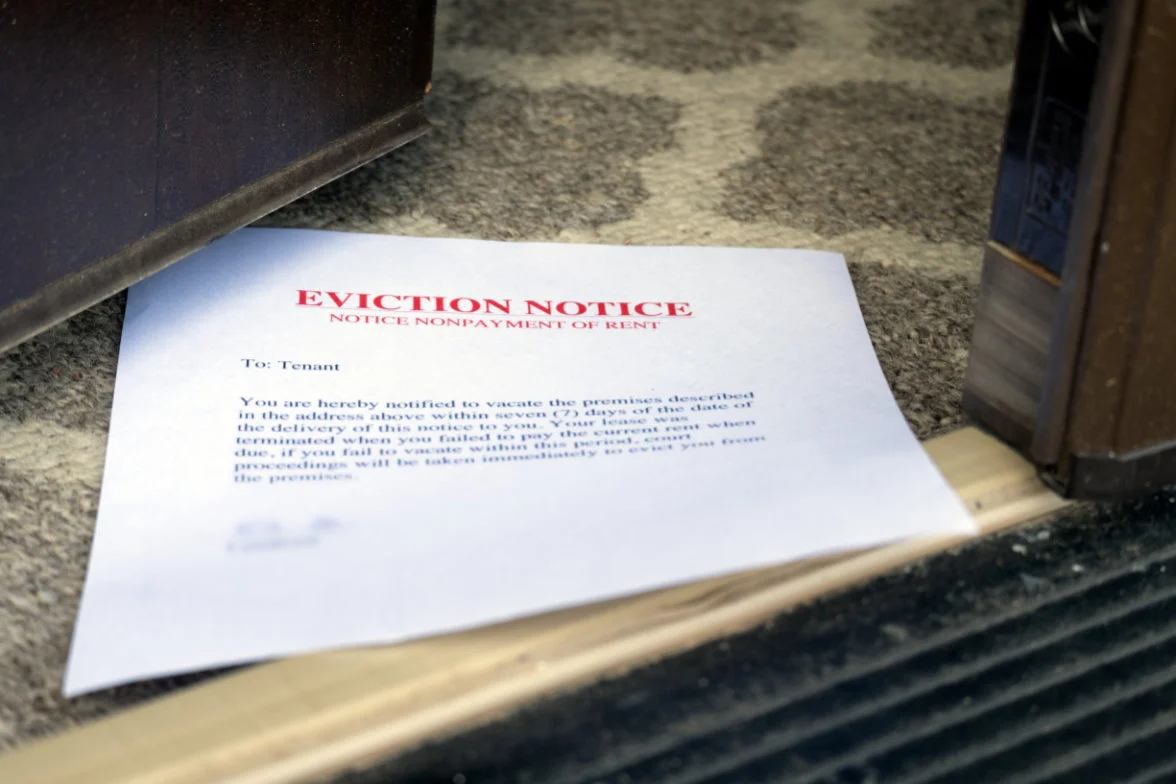
Other tenancy reforms on 1st May 2026
- Banning of “rental discrimination” against families and benefit claimants
- New implied right for tenant to have a pet
- Local authorities will have extensive powers of investigation
- Civil penalties of up to £7,00 for breaches of most provisions of the Act
- New offences with civil penalties up to £40,000
- Rent repayment orders for 13 offences for up to 2 years’ rent
What landlords/letting agents need to do by 31st May 2026 for existing tenancies:
Serve “Information Sheet” detailing reforms on existing tenants as at 1st May 2026 (must be done by 31st May 2026)
- Information Sheet will be published on gov.uk in March 2026
- Proof of service is required as there is a civil penalty if it’s not done
If there is no written tenancy agreement, serve “Written Statement of Terms” (provided by Government).
From 1st May 2026 you need to give certain written information to your tenants about the key terms of the tenancy. If you do not provide this your tenant can complain to the local council and you could receive a fine of up to £7,000. You can include this written statement of terms in your tenancy agreement or serve it separately.
Government has provided a draft of the written terms in a statutory instrument which you can refer to here: The Assured Tenancies (Private Rented Sector) (Written Statement of Terms etc and Information Sheet) (England) Regulations 2026 ) This is a draft and may change.
If you wish to use new Grounds 4A (HMOs with full time students), you must serve statement on tenants.
What landlords/Lettings agents do NOT need to do
- Re-issue tenancy agreements
- Re-serve documents
- Re-register tenancy deposits
- Repay rent paid in advance (unless tenant leaves)
Information Source: Suzanne Smith, The Independent Landlord Hub – Slides of Webinar for The Mortgage Works 28th January 2026
Phase 2
Introduction of the Landlord Ombudsman (2027) and the new PRS database (2028).
Phase 3
Introduction of AWAAB’s Law (remedying hazards) date to be confirmed and The Decent Homes Standard, no earlier than 2035.
PRIMO – Preparing for 1st May 2026
- PRIMO staff are undergoing training on RRA and its implications
- Our technology partners are working on updating processes and contracts
- We are in the process of liaising with our landlords and tenants with guidance and information
Further information sources:
Implementing the Renters’ Rights Act 2025: Our roadmap for reforming the private rented sector
Explainer: everything you need to know about the new Renters’ Rights Act – MHCLG in the Media
PBSA Student Tenants Students in private sector purpose-built accommodation

Contact us now to discuss our services.
NEW LANDLORDS
Special Offer – Full Management – 8.5% of gross rental income
*Plus 20% VAT
Call: 01204 360920 or email us at enquiries@primopropertymanagement.co.uk
